Role of Physiotherapy in Improving Ederly Quality of Life
Introduction
Aging naturally brings physical changes such as reduced strength, limited flexibility, and increased risks of chronic conditions. These challenges often lead to mobility issues, pain, and dependency on others. However, physiotherapy has proven to be one of the most effective ways to maintain independence and improve the elderly’s quality of life.
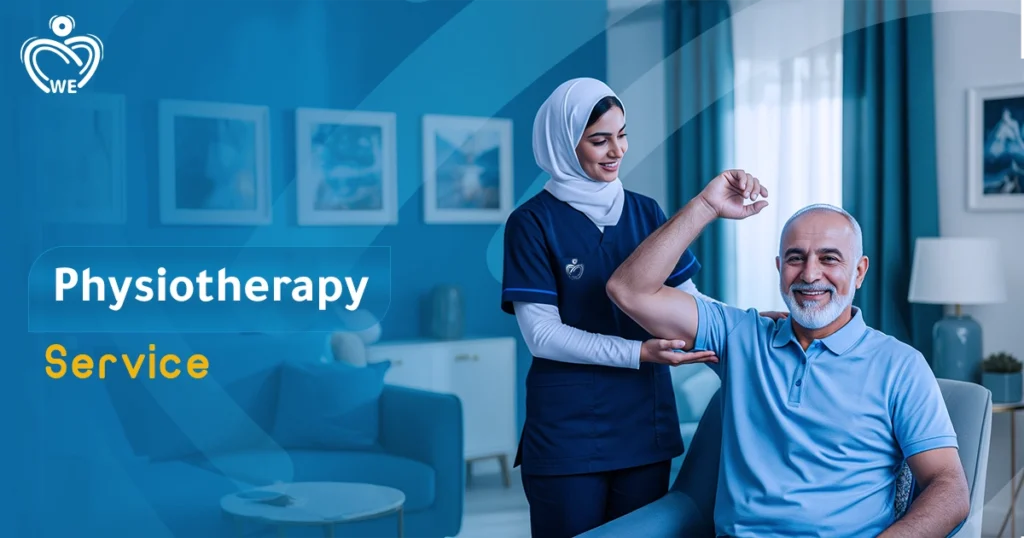
At White Esnad, we design specialized physiotherapy programs tailored for elderly patients, ensuring safe, effective, and compassionate care at home. This article explores how physiotherapy contributes to the elderly’s overall well-being and dignity.
Why the Elderly Need Physiotherapy
- Muscle weakness: Leads to falls and reduced independence.
- Joint stiffness: Common with arthritis and aging.
- Balance issues: Increase fall risk.
- Chronic diseases: Conditions like stroke, Parkinson’s, and osteoporosis affect mobility.
- Journal of Geriatric Rehabilitation (2022): The elderly engaged in regular physiotherapy experienced a 40% reduction in fall-related injuries.
Benefits of Physiotherapy for the Elderly
Improved Mobility and Independence
- Walking and balance training.
- Assistance in performing daily activities safely.
Pain Management
- Techniques to relieve arthritis and chronic back pain.
- A non-drug approach to reducing discomfort.
Fall Prevention
- Exercises to strengthen muscles and improve stability.
- Home safety modifications to prevent accidents.
Enhanced Mental Health
- Physical activity improves mood and reduces depression.
- Increased confidence promotes social interaction.
Physiotherapy for Specific Conditions
Stroke Rehabilitation
- Rebuilding strength and coordination.
- Training for daily independence.
Arthritis Management
- Gentle stretching to reduce stiffness.
- Strengthening exercises for affected joints.
Osteoporosis
- Weight-bearing exercises to strengthen bones.
- Balance training to reduce fracture risks.
Parkinson’s Disease
- Exercises to improve coordination and reduce tremors.
- Training for mobility aids.
Common Physiotherapy Exercises for the Elderly
- Chair Stands: Strengthen leg muscles.
- Heel Raises: Improve balance.
- Arm Lifts with Light Weights: Build upper body strength.
- Ankle Circles: Improve joint flexibility.
- Gentle Walking: Boosts cardiovascular health.
White Esnad’s Elderly Physiotherapy Services
- Licensed physiotherapists for home visits.
- Tailored programs based on medical history.
- Home modifications for safer mobility.
- Emotional and social support to enhance the elderly’s lives.
Frequently Asked Questions (FAQ)
How often should the elderly do physiotherapy
At least 2–3 sessions per week, depending on their health condition.
Can physiotherapy replace medications for pain
In many cases, it reduces or minimizes the need for medications.
Is it safe for the elderly with heart problems
Yes, with doctor’s approval and customized routines.
Does White Esnad offer long-term physiotherapy plans
Yes, we provide ongoing programs for sustained results.
Success Story with White Esnad
A 78-year-old woman in Riyadh had difficulty walking due to arthritis and frequent falls. With White Esnad’s elderly physiotherapy program:
- She practiced daily balance and strengthening exercises.
- Pain reduced significantly within weeks.
- She regained confidence to move independently around her home.
Conclusion – Your Next Step with White Esnad
Physiotherapy is more than physical treatment—it is a pathway to independence, dignity, and joy in later life. By improving mobility, managing pain, and preventing falls, the elderly can live healthier and more fulfilling lives.
At White Esnad, we bring elderly-focused physiotherapy directly to the home, ensuring comfort, safety, and long-term wellness.
📞 Contact White Esnad today to explore our elderly physiotherapy programs tailored to your loved ones.

Our Services
مقالات ذات صلة